

Quick answer
A comprehensive tour of Gettysburg typically requires 4 to 8 hours. The self-guided auto tour covers 24 miles with 16 stops and takes 2.5 to 3 hours at a moderate pace. Adding the museum, film, and Cyclorama at the visitor center adds another 2 to 3 hours. Visitors who walk portions of the battlefield or explore multiple monuments in depth should plan a full day.
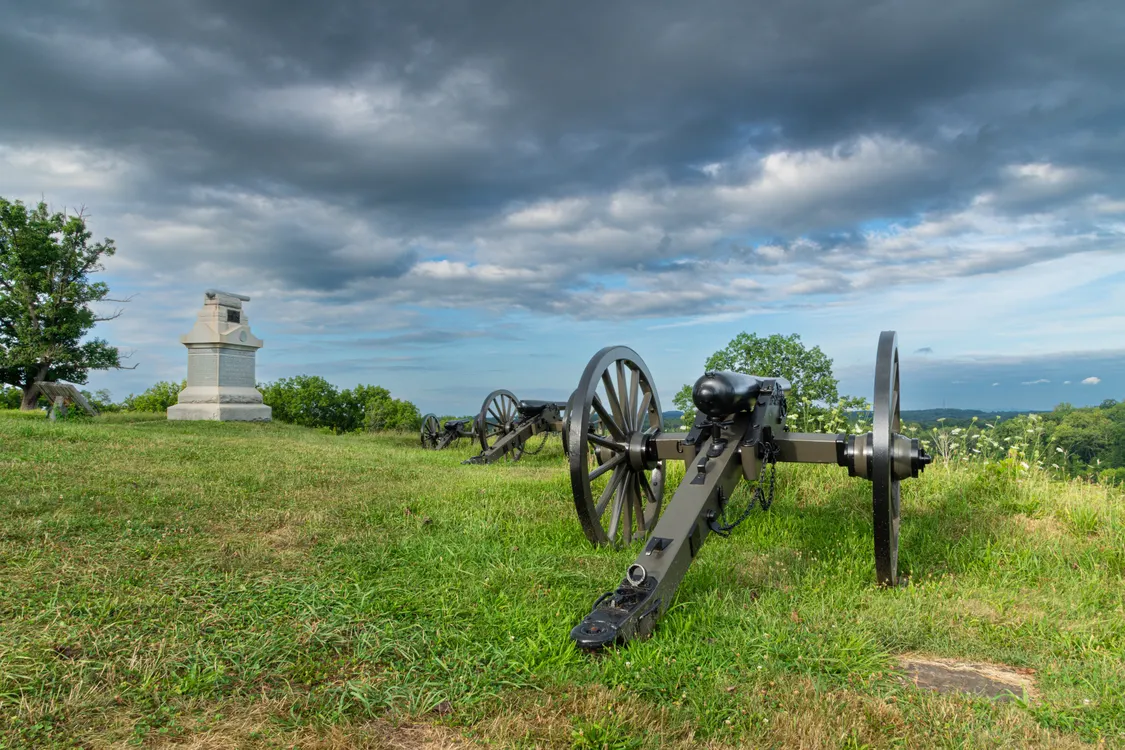
The Gettysburg battlefield preserves 6,000 acres where 165,000 soldiers clashed over three days in July 1863, and the scale alone determines how long does it take to tour Gettysburg. Unlike contained historic sites, this landscape spreads across ridges, orchards, and fields that require either a vehicle or significant walking to cover properly. The National Park Service marks sixteen numbered stops along the auto tour route, each representing a critical moment in the three-day engagement, from McPherson's Ridge where the battle opened to the Angle where Pickett's Charge crested and broke. The museum experience at the visitor center operates independently of the battlefield tour. The film A New Birth of Freedom runs 22 minutes, the Cyclorama painting with its accompanying narrative takes 30 minutes, and the museum galleries require 60 to 90 minutes for a thorough walk-through. Admission to this trio costs $20.75 and provides essential context before driving the battlefield, though many visitors reverse the order and return to the museum after seeing the ground itself. The park grounds remain open year-round with no entrance fee, while the visitor center operates from 08:00 to 17:00 daily. Timing your Gettysburg visit depends on whether you prioritize breadth or depth. A Gettysburg battlefield tour that hits every numbered stop, reads the wayside markers, and allows for photographs will consume three hours minimum. Adding short walks to key monuments—Little Round Top's summit, the Pennsylvania Memorial, the Copse of Trees—extends that window. The licensed battlefield guides who lead two-hour car tours (you drive, they narrate) offer the most efficient path through the tactical story, though they book weeks ahead in summer. Arriving between 08:00 and 10:00 secures parking at popular stops like Devil's Den and avoids the midday tour bus surge. The question isn't whether the battlefield merits a full day, but whether your schedule allows it. First-time visitors gain the most from pairing the museum sequence with at least the southern half of the auto tour, covering Little Round Top, the Wheatfield, the Peach Orchard, and Cemetery Ridge in a single visit. Returning guests often skip the introductory exhibits and focus on specific brigade positions or lesser-known sectors like Culp's Hill and East Cavalry Field, where the tactical details reward closer study.
“The National Park Service marks sixteen numbered stops along the auto tour route, each representing a critical moment in the three-day engagement.”
How Long Does It Take to Tour Gettysburg: Planning Your Visit Duration
A quick overview of Gettysburg Battlefield takes 3-4 hours, covering the museum and a condensed auto tour. Visitors seeking a comprehensive experience should plan a full day to explore multiple battlefield sites, interpretive centers, and key monuments at a comfortable pace.
Museum Film & Cyclorama
Begin at the Museum & Visitor Center with the orientation film and Cyclorama painting (admission $20.75). Allocate 90 minutes to absorb the battlefield context before heading out. Arrive early to avoid mid-morning crowds.
Auto Tour Route Highlights
Drive the 24-mile auto tour route, stopping at Cemetery Hill, Little Round Top, and The Angle. Quick visits to 4-5 key sites take 2 hours; deeper exploration with all 16 stops requires 4-5 hours. Audio guides help pace your route.
Battlefield Walking & Monuments
Park at select sites to walk the actual ground where regiments fought—Devil's Den and the Wheatfield reward close exploration. Add 1-2 hours if you leave the car to read markers and trace battle lines on foot.
Eisenhower National Historic Site
If time permits, tour President Eisenhower's home and farm adjacent to the battlefield (separate admission and shuttle required). This adds 1.5-2 hours and requires advance planning for shuttle timing.
The Best Time to Tour Gettysburg to Avoid Crowds
To manage battlefield crowds effectively, the best arrival window is 08:00–10:00. This early start provides the most efficient access to the park before mid-day congestion peaks.
Spring (April-May)
Moderate crowdsMild, 50°F–70°F
Temperatures remain comfortable for extended tours of the grounds. Plan visits during these months to avoid the peak summer heat and higher visitor density.
Summer (June-August)
High crowdsHot, 75°F–90°F
Visitor numbers are highest, leading to potential delays at popular locations. Early morning arrival is essential during this period to navigate the site.
Autumn (September-October)
Moderate crowdsCool, 50°F–75°F
This season offers favorable conditions for touring. The reduction in daily visitor volume allows for a more focused experience across the battlefield.
Weekday mornings
Low crowds—
Arriving between 08:00 and 10:00 on weekdays provides the quietest environment. This timing allows for a consistent pace throughout the day.
Verdict: The optimal period for a visit is Tuesday to Thursday, arriving between 08:00 and 10:00 during April or October.
Opening Hours When Considering How Long It Takes to Tour Gettysburg
The Gettysburg Battlefield visitor facilities operate on a consistent schedule throughout the week to accommodate visitors planning their tours.
| Monday | 08:00–17:00 | |
|---|---|---|
| Tuesday | 08:00–17:00 | |
| Wednesday | 08:00–17:00 | |
| Thursday | 08:00–17:00 | |
| Friday | 08:00–17:00 | |
| Saturday | 08:00–17:00 | |
| Sunday | 08:00–17:00 |
How to Get to Gettysburg and Maximize Your Time
Gettysburg National Military Park is located at 1195 Baltimore Pike, Gettysburg, PA 17325. The most direct way to reach the battlefield is by car, which allows for flexible movement across the expansive park grounds.
US Route 15 to Baltimore Pike
Rabbit Transit to Gettysburg Transfer Center
Direct to 1195 Baltimore Pike
Gettysburg Battlefield Highlights for Your Itinerary
The Gettysburg National Military Park encompasses numerous landmarks across the battlefield. Understanding these key sites helps you prioritize your time during your visit.
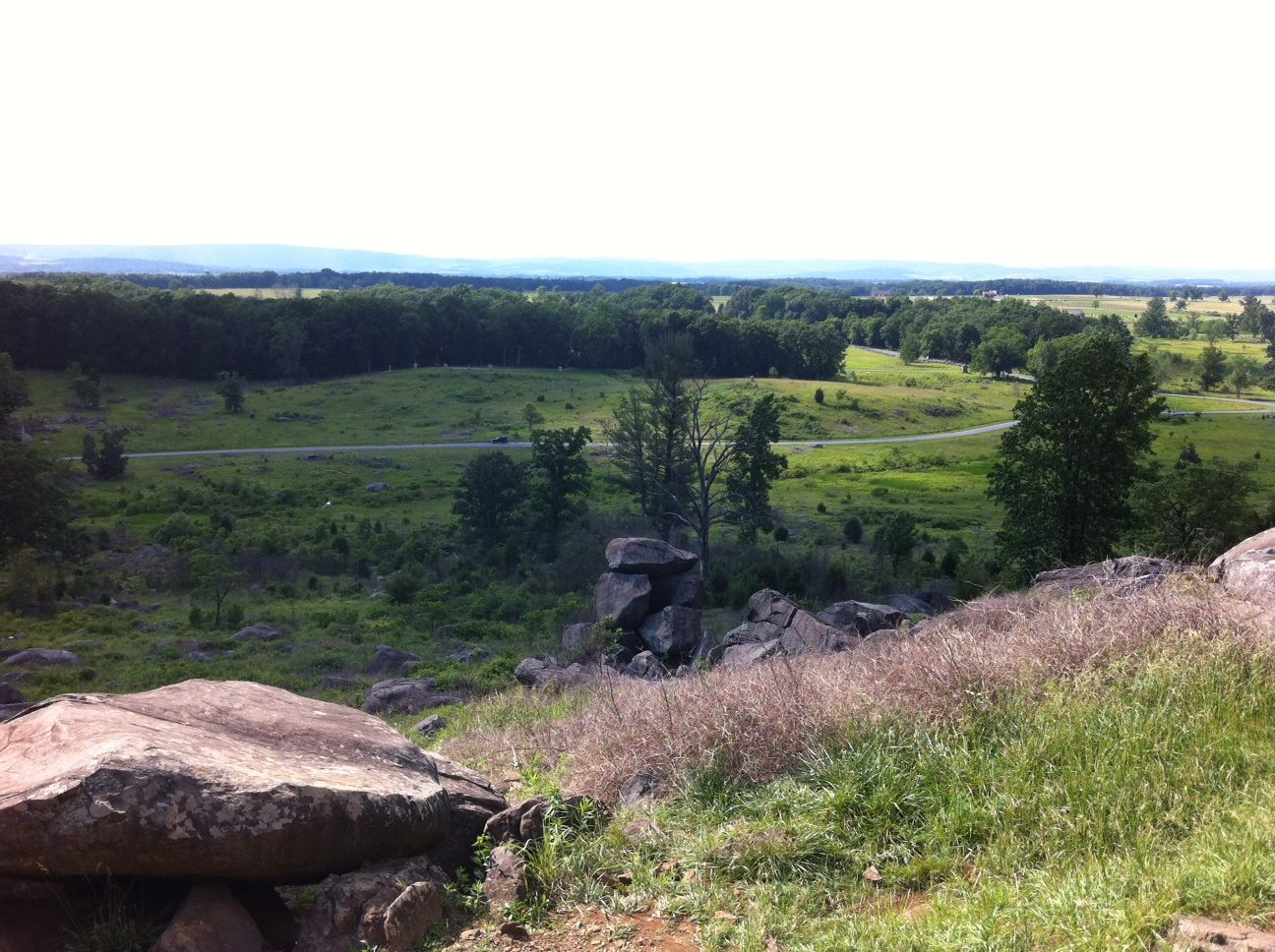
Little Round Top
This prominent hill served as a critical position during the second day of the battle. It offers panoramic views of the surrounding terrain and defensive lines.
Visit early to capture the landscape with minimal foot traffic.
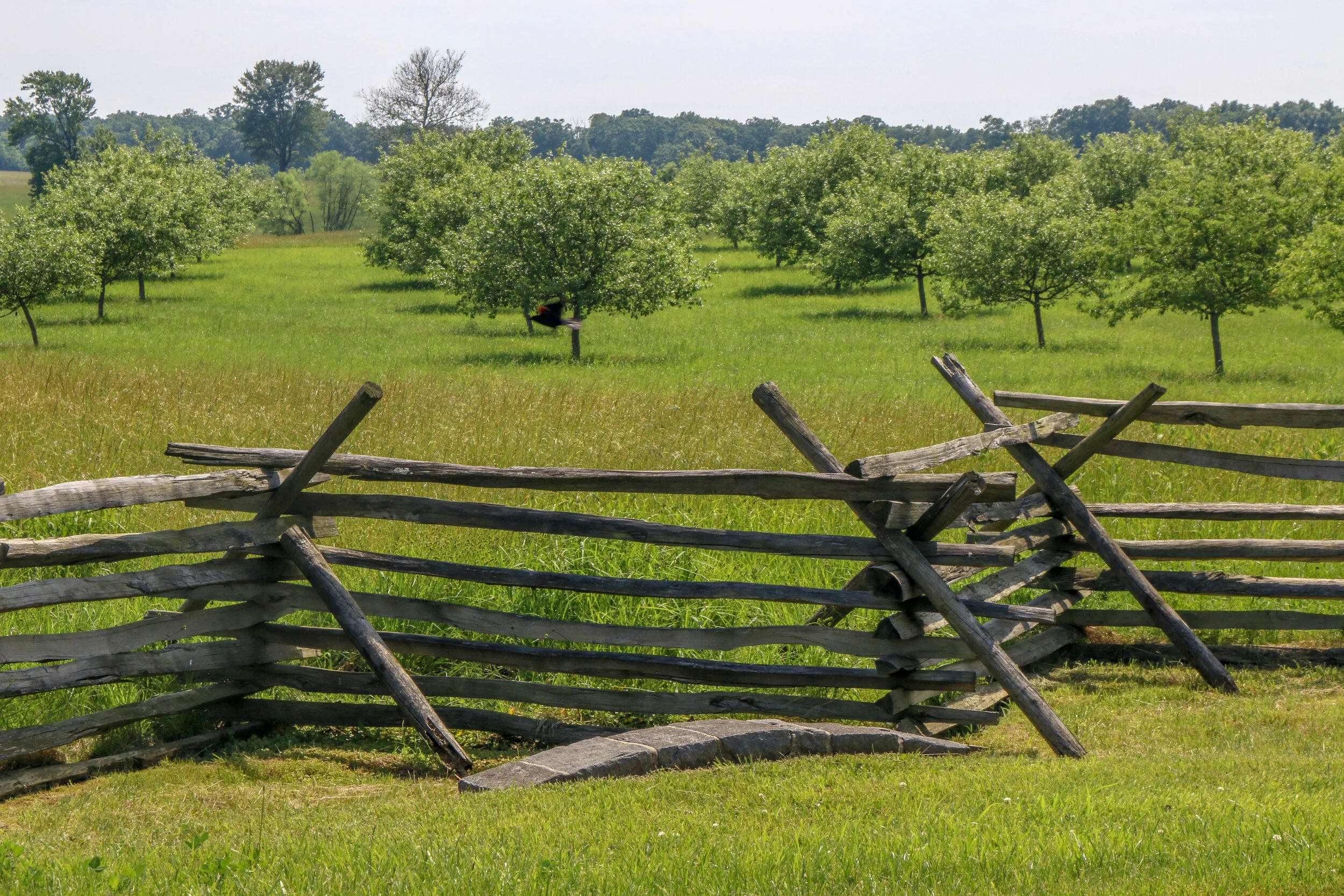
The Peach Orchard
Located along the Emmitsburg Road, this area was the site of heavy fighting on July 2, 1863. The orchard remains a significant reference point for the battlefield layout.
Walk the perimeter fence line for a clear view of landmarks.
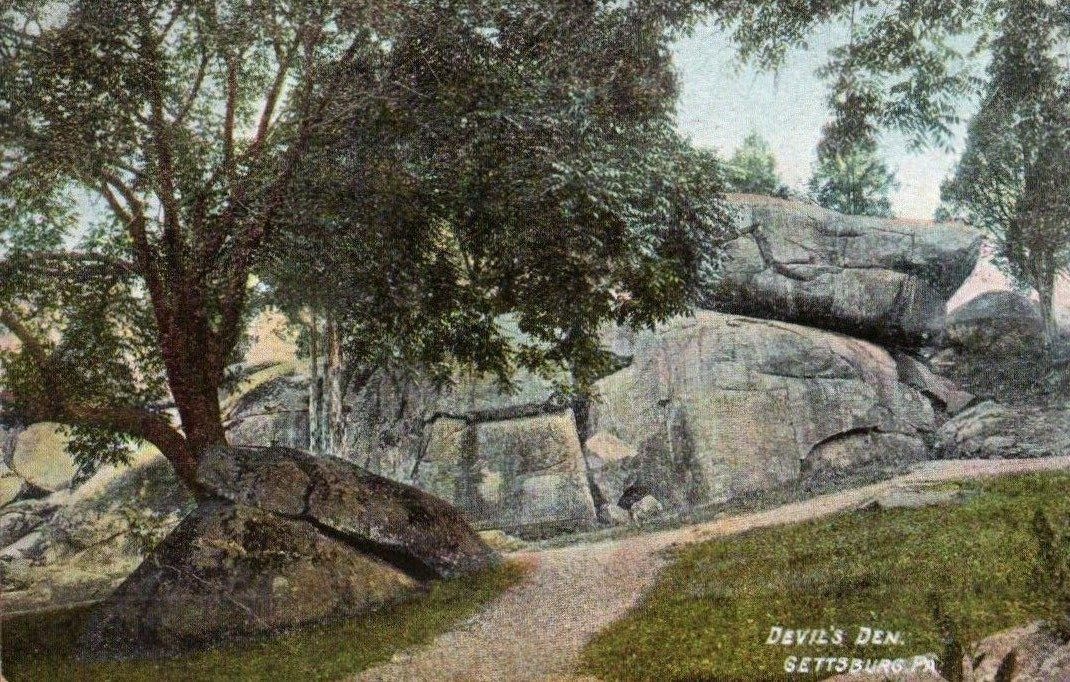
Devil's Den
This rock formation served as a defensive position during intense fighting. Its unique geological features are accessible via established walking paths.
Climb to the higher rocks to survey the valley below.
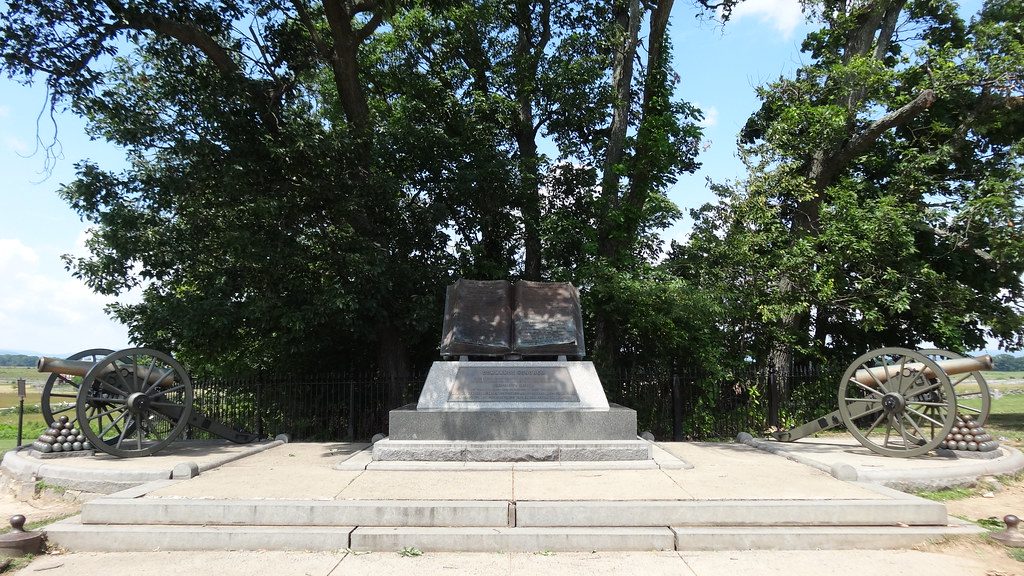
High Water Mark
Located on Cemetery Ridge, this site represents the climax of Pickett's Charge. It contains monuments and markers detailing the final effort of the Confederate army.
Read the plaques facing west toward the fields of Pickett's Charge.
Check availability
Frequently Asked Questions: Touring Gettysburg Battlefield
Everything you need to know about how long does it take to tour gettysburg